
Dollar Stores Contribute To Decades Of Economic Distress For Chicago Hoods
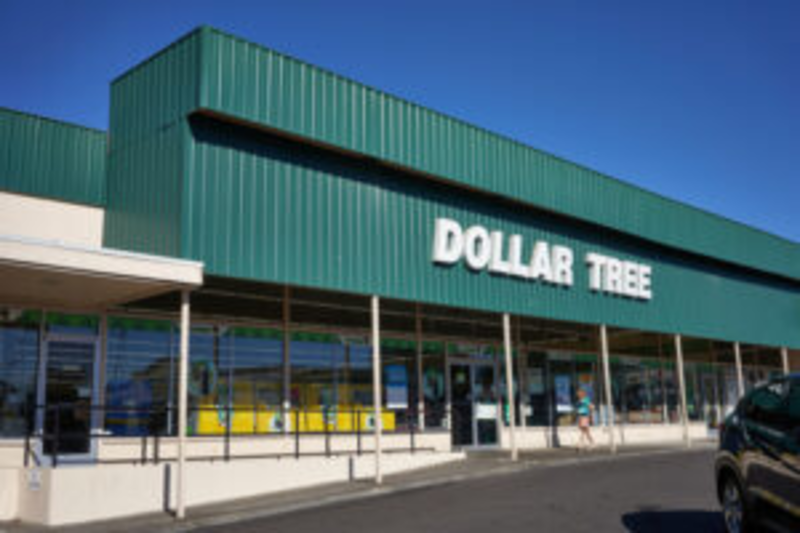
Chicago’s South and West side neighborhoods have a litany of Dollar Tree and Dollar General stores that serve as a valued resource for residents. However, they’re also hurting the financial health of these communities.
Crain’s Chicago Business reports that while these stores don’t saturate the Chicago neighborhoods, they’re not Black-owned, meaning the money spent by the neighborhood’s Black residents doesn’t stay in the community.
“[Those stores] take resources out of the community and don’t give us an opportunity to circulate the dollar within the community,” Tonya Trice, the executive director of the South Shore Chamber of Commerce, told Crain’s Chicago Business. “That money leaves our community as soon as it is spent.”
These Chicago neighborhoods full of dollar stores are severely lacking when it comes to full-service grocery stores. The issue also goes past dollar stores as fried chicken stores litter Chicago’s South and West sides as opposed to more health-conscious Black-owned restaurants and eateries.
The lack of retail and restaurant variety in these neighborhoods forces residents to spend their money outside their community. According to a 2020 City of Chicago study, $200 million in retail spending alone leaves Chicago’s South Shore neighborhood annually. This is apparent on 75th and 79th streets in South Shore, where once historically Black retail corridors are now filled with empty storefronts.
Additionally, a 2021 Chicago Office of Equity & Racial Justice report shows less than 10% of businesses with employees in Cook County are Black- or Latino-owned despite Black and Latino residents making up more than 50% of the population.
Unsurprisingly, these economic issues are largely the result of decades of systemic racism and discriminatory policies and practices.
Despite the issues, some feel that dollar stores fill a need and have stepped in, whereas others have abandoned these majority-Black and Latino neighborhoods.
Chris Chico, the president and CEO of the Back of The Yards Neighborhood Council, told Crain’s Chicago Business that when Walmart closed its store in the neighborhood in 2019, the dollar stores stepped in to fill a necessary need. That includes taking over a long vacant building in the neighborhood.
RELATED CONTENT: FOOD INSECURITY DISPROPORTIONATELY AFFECTS BLACK HOUSEHOLDS: HOW ONE COMPANY IS FIGHTING IT