

Novartis and Cannes Can: Diversity Collective Team Up To Address Racial Health Disparities
Pharmaceutical company Novartis and the organization working to increase representation in advertising, the Cannes Can: Diversity Collective, have teamed up to address health disparities. The two organizations co-led a leadership forum featuring prominent change-makers within the healthcare industry who are dedicated to promoting health equity.
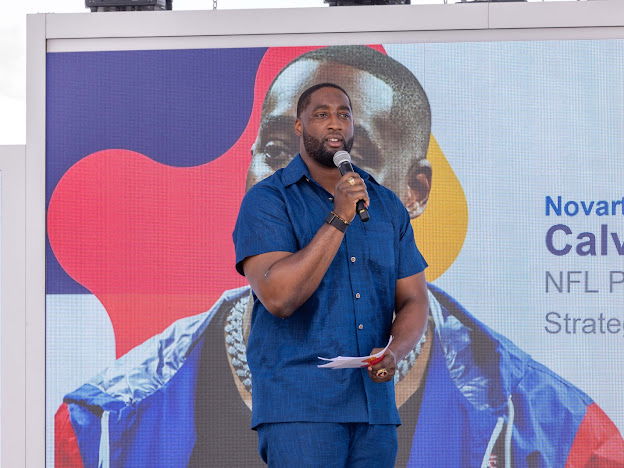
The forum featured three panel discussions on how health and culture can unite to create powerful messaging, empower communities through innovation, and how AI could be used for effective messaging. The first panel featured Lyndsay Levingston, patient advocate and founder of SurviveHER, and Gail Horwood, Chief Marketing Officer with Novartis. The duo discussed the role of public campaigns in raising awareness about essential health topics in underrepresented communities.

The second panel featured Marion Brooks, vice president and US country head of DEI for Novartis, Alex Hogarty, global head of wellbeing, and Dr. Jatali Bellanton, founder of the Brilliant Minds Unit. The trio highlighted the role of health education and focused on how culturally relevant communications can improve overall public health.

How Culturally Irrelevant Healthcare Impacts Communities of Color
The forum, co-hosted by Novartis and Cannes Can: Diversity Collective, comes at a time when there appears to be little health messaging at the federal level amid drastic cuts under the Trump administration.
According to the Health Policy Institute at Georgetown University, a culturally irrelevant healthcare message is a significant factor in health disparities in the United States. The institute defines cultural competence as the ability of providers and organizations to effectively deliver healthcare services that meet the social, cultural, and linguistic needs of patients. With a culturally competent healthcare system, patients generally experience improvements in health outcomes and quality of care.
Nationwide, racial and ethnic minorities have higher morbidity and mortality from chronic diseases. Researchers from Georgetown found that a higher proportion of African American and Latino older adults report they have at least one of seven chronic conditions: asthma, cancer, heart disease, diabetes, high blood pressure, obesity, or anxiety/ depression, compared to their white counterparts.
RELATED CONTENT: DEI Takes Centerstage At Cannes Lions Festival